


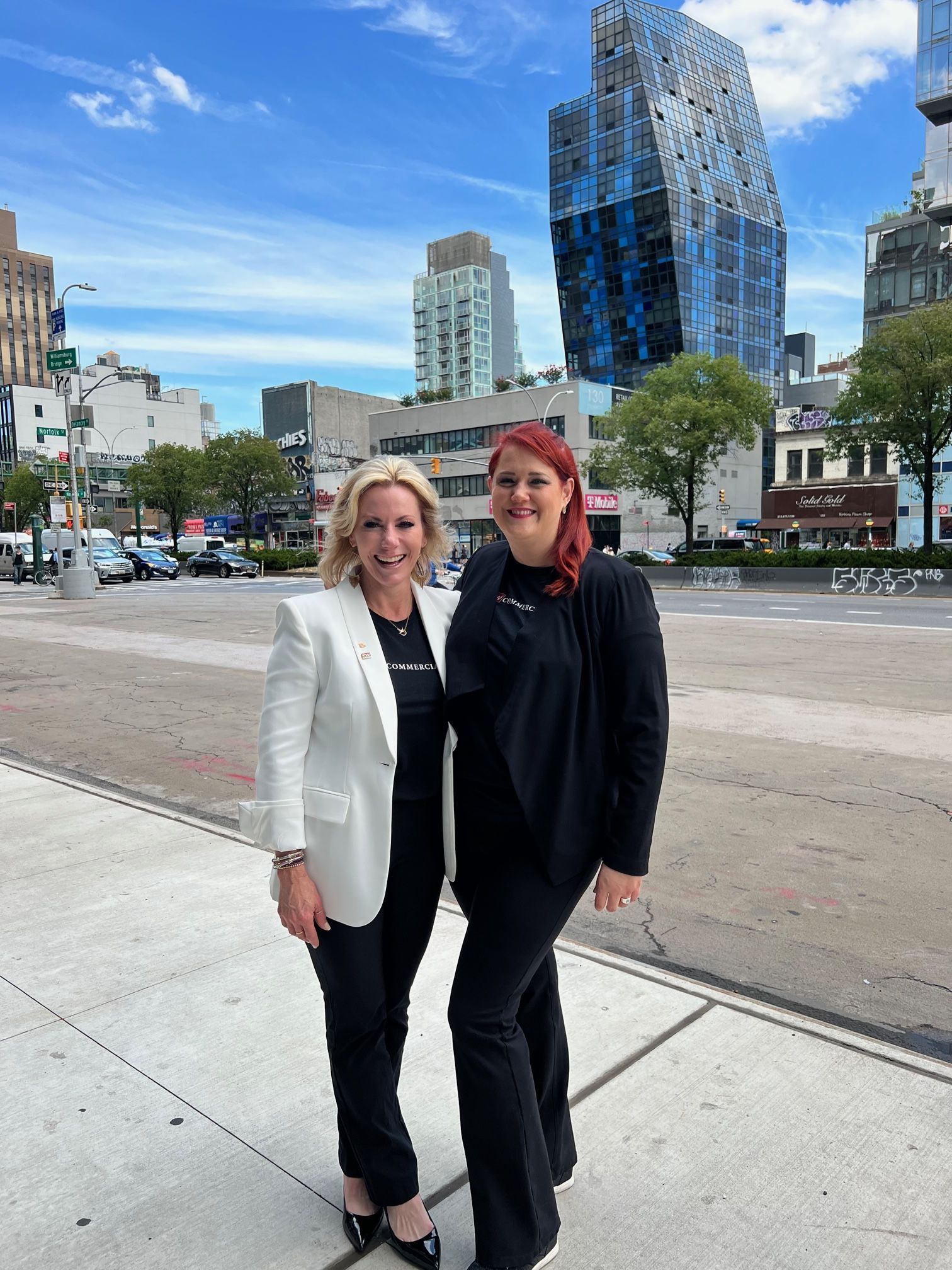
By Alicia Shepherd, KW Commercial Date Published: May 2025 In the glass-paneled boardrooms of commercial real estate, power has long had a familiar silhouette—masculine, sharp-suited, and comfortably unchallenged. The industry has for decades been a bastion of predictability: global brands led by men, trained by men, and staffed by agents mimicking the same scripts and systems generation after generation. But step into a leadership meeting at KW Commercial today, and you’ll find something unprecedented—not a disruption in the margins, but a full rewrite at the center. At the helm of one of the largest commercial real estate brands in the world sit two women whose presence is not symbolic, but structural. Cynthia Lee, the poised and incisive President, and Alicia Shepherd, the dynamic Vice President known for her unapologetic intensity, are not simply leading KW Commercial. They are rebuilding it—brick by brick, principle by principle—into the most inclusive, high-performance, and strategically modern commercial brand in the business. “This isn’t about diversity optics,” Shepherd says with matter-of-fact precision. “It’s about building a system where skill, clarity, and leadership are the non-negotiables. And here, you’ll find that women are doing that work at numbers close to our male colleagues.” Indeed, they are. In markets from Atlanta to Las Vegas, Denver to Houston, women are not just gaining ground in commercial real estate—they’re shaping it. And nowhere is that more clear than at KW Commercial. Cynthia Lee: Strategy as Structure Cynthia Lee doesn’t waste words. A former television journalist turned real estate executive, her calm authority is underpinned by a deep understanding of both the human and economic mechanics that drive successful organizations. “Real estate is still a relationship business,” Lee says. “But relationships don’t replace rigor. We’re building an ecosystem where both exist.” Since stepping into the presidency of KW Commercial, Lee has launched sweeping structural overhauls—streamlining national training, introducing modernized coaching frameworks, and prioritizing data-driven agent development. She is known for her diplomacy, but also for her decisiveness. Those closest to her leadership say the real transformation has come not from top-down mandates, but from culture. “She leads with empathy and precision,” says one regional director. “She listens, but she doesn’t flinch. It’s a rare combination.” Alicia Shepherd: Culture as Catalyst Where Lee builds the scaffolding, Alicia Shepherd sets it ablaze—with purpose. A career coach, strategist, and founder of the Nucleus training platform, Shepherd is a force of nature. Her coaching cohorts are part masterclass, part mindset reset. Her courses carry titles like 7 Figures in 90 Days and Data-Driven Dominance, but the real curriculum is clarity: of voice, of value, of vision. “You don’t grow into this industry,” she tells a room of rising agents. “You build into it. Intentionally. Relentlessly. Authentically.” Shepherd’s influence on KW Commercial has been both cultural and operational. Under her vice presidency, the company has instituted some of the most rigorous agent education programs in the country, equipping brokers not just to sell, but to lead. National Presence, Local Power But what makes KW Commercial’s leadership story so exceptional isn’t just what’s happening in the C-suite. It’s what’s unfolding in the field. Across the U.S., women are commanding markets, closing major transactions, and redefining what elite brokerage looks like. In Denver, Michelle Glass operates with an analytical fluency that positions her as one of the most trusted multifamily advisors in the region. Her command of underwriting, market cycles, and investor relations gives her clients—many of them institutional investors—an edge that goes beyond the deal. It’s about strategy, sustainability, and informed risk. Southern California’s industrial market is in constant flux, and Lauren Coombs brings a rare calm to the chaos. Her expertise spans supply chain infrastructure, logistics, and adaptive reuse, but her real strength is anticipation—forecasting where demand will hit before the market catches up. Her work is methodical, clean, and trusted by some of the most sophisticated players in the West. Further east, in Baltimore and Washington, D.C., Helen Delheim is the name behind many of the region’s most complex office space transitions. In an era when the very definition of “office” is being reimagined, Delheim is a critical translator—helping tenants rethink usage, developers reposition assets, and cities modernize footprint strategy. In Atlanta, a nucleus of female expertise is driving specialized asset growth. Angie Ponsel , a self-storage specialist, guides investors through the nuances of a sector that has quietly outperformed many traditional assets in recent years. Zoning overlays, site feasibility, and long-term hold models are her domain—and she navigates them with clear-eyed acuity. Also in Atlanta, Nicole Menzies approaches leasing as an exercise in brand architecture. Whether she’s advising on tenant mix, street-front retail, or suburban office parks, her work is as much about longevity as it is about lease terms. In her words, “It’s not just about occupancy. It’s about alignment.” A Legacy Being Written in Real Time In Houston, Chaundra Hugel Broughton operates across asset classes with remarkable dexterity. From urban land deals to suburban office repositionings, her background in corporate development lends her deals both polish and depth. She negotiates with clarity and moves with urgency, trusted by legacy developers and emerging investors alike. And in Las Vegas, Karen Thomas has built a career on trust, timing, and performance. Her experience spans decades and asset types, including hospitality, land, and mixed-use redevelopment. In a city built on spectacle, Thomas is all substance—grounded, institutional, and revered by both clients and colleagues for her measured expertise. These women don’t share a market. They don’t share a background. What they do share is a belief that commercial real estate is ripe for transformation—and they’ve chosen KW Commercial as the vehicle to lead it. Beyond Gender, Into Excellence It would be easy to frame this story through the lens of gender alone. And certainly, the headline is striking: KW Commercial is the only global commercial brand with women in both its highest leadership roles. But to reduce it to that would be to miss the point. This isn’t a “women in real estate” story. This is a performance story. An excellence story. A systems story. And, most powerfully, a cultural one. Lee and Shepherd have created a leadership model that prioritizes depth over optics, rigor over ego, and systems over shortcuts. In doing so, they’ve made space for a new kind of agent to rise—one who is strategic, inclusive, and unafraid to lead differently. “The goal isn’t to make this rare,” Shepherd says. “The goal is to make this normal.” What the Industry Should Be Watching Commercial real estate is, at its core, about vision. About seeing not what a building is—but what it could be. The same could be said for leadership. KW Commercial has seen something the rest of the industry is only beginning to glimpse: that high-level brokerage no longer belongs to a single archetype. That excellence comes in many voices. That the future isn’t just diverse—it’s deliberate. In a market hungry for credibility and connection, this team isn’t just delivering deals. They’re building something far more powerful. A foundation. And it’s holding strong.

By Alicia Shepherd, KW Commercial Date Published: May 2025 There was a time when the brand KW Commercial was synonymous with the idea of a “generalists” practice of commercial real estate, and in many cities around the US, as a “resi-mercial” version of what commercial real estate is. Yet, when we look up today, we see something else altogether. Something that’s delivering results and closing deals at a global level. In the last three years, the firm has been quietly building something with the precision of a private equity shop and the rhythm of a research institute: a national network of product divisions, each led by an established expert in their vertical. The goal isn’t brand optics—it’s operational depth. And at a time when clients are demanding more specificity, more clarity, more actual expertise, the timing couldn’t be more exacting. Nine divisions. Nine asset classes. Nine leaders who still broker deals. This is not a pivot to theory. It’s a return to practice. An Architect Returns to the Field It’s difficult to overstate the significance of Joe Williams taking the helm of KW Commercial’s Development Division. As co-founder of Keller Williams Realty International, Williams helped build the largest real estate company in the world by agent count. He could have remained an icon. Instead, he chose to remain relevant. Operating from Austin, Williams is as fluent in public-private finance as he is in entitlements. His focus isn’t just on where to build—but why , when , and for whom . In private meetings, he’s more likely to reference housing absorption data or municipal tax base projections than to discuss brand. His presence signals that KW Commercial isn’t building a hierarchy—it’s building a working brain trust. Industrial, Without the Noise Ask anyone in the Midwest who actually understands the industrial sector—especially in this post-pandemic logistics boom—and John Merrill’s name will surface early. Based in Indianapolis, Merrill leads the Industrial Services Division, though he’s not interested in division titles. He’s interested in site utility, access to rail, and the future of cold storage capacity. Merrill’s work is quiet, analytical, and deeply regionalized. He doesn’t claim to know every market—but he knows how to evaluate any of them. Brokers under his guidance are trained not just in square footage or lease comps, but in transport modeling and third-party logistics trends. It’s brokerage, but engineered. The Office Realist The word office still causes some firms to flinch. Bruce Seid is not one of them. Seid, based in Los Angeles, heads the Office Services Division —a group navigating the most existential questions in the commercial world: Do tenants want space? What kind? How much? What will they pay for flexibility? For location? For certainty? Seid doesn’t offer platitudes. He offers frameworks. His experience spans both institutional and private clients, and he seems more concerned with the physics of tenant behavior than the headlines about it. In conversation, he’s unhurried. “This is not a collapse,” he says. “It’s a recalibration. Our job is to interpret it.” And that’s what his division does—interpret. Not just for brokers, but with them. The Analyst’s Analyst If office is a question mark, multifamily remains the industry’s exclamation point. It’s active, crowded, and capital-heavy. But few brokers command the asset class with the focus and fluency of Joey Wang. Wang leads the Multifamily Division from San Francisco with a quiet intensity. His language is closer to that of a fund manager than a broker. Talk to him about a listing and you’re as likely to hear about absorption velocity, T12 anomalies, or IRR sensitivity as you are about unit count. His division operates like a discipline. Younger brokers are not handed scripts—they’re handed models. You get the sense that Wang cares less about growing teams and more about growing talent. “Multifamily isn’t a momentum game,” he says. “It’s a margins game. That’s where the story is.” Hospitality with a Longer Lens Rav Singh never set out to lead a national division. Based in San Antonio, Singh has spent his career quietly advising private hospitality clients—operators, developers, regional chains—on how to think long-term in a famously short-cycle business. Today, as head of KW Commercial’s Hospitality Division , Singh brings that same long lens to a national stage. He talks about brand flags and operator agreements with the comfort of someone who’s read every line of the franchise agreement—and questioned half of them. His leadership isn’t about taking up space. It’s about creating systems: how to evaluate management performance, how to underwrite seasonal volatility, how to position a boutique property for acquisition without losing its soul. “Hospitality,” Singh says, “only works if people return. That applies to guests—and it applies to capital.” Retail Beyond the Headlines While the press debates whether retail is dead, Joe DeCola is quietly helping it live better. DeCola, based in San Antonio, doesn’t romanticize the asset class. He tracks it. Patterns of use. Shifts in co-tenancy. Anchors that draw not just traffic but spend. His role as leader of the Retail Services Division isn’t to protect retail—it’s to pressure test it. There’s a kind of rigor to the way DeCola speaks about merchandising strategy and tenant mix alignment. He’s unimpressed by foot traffic unless it converts. He reminds agents that retail is not an emotion—it’s a revenue formula. And under his guidance, KW Commercial’s retail brokers are learning to think like both placemakers and portfolio managers. When Real Estate Includes the Business Itself Key West might seem an unlikely headquarters for a commercial real estate innovation, but it’s there that Sandra Swann leads the firm’s Business Brokerage Division. And it’s there that one of the most misunderstood sectors of CRE is being methodically redefined. Swann specializes in transitions—when a business is sold, often with its property, its people, and its reputation bundled into the same line item. There are few comps. Fewer templates. And very little room for error. What her division offers is structure in the face of uncertainty. Financial analysis, deal packaging, and an ethos of discretion. Swann is firm but diplomatic: “You’re not just selling a business. You’re handing someone your legacy. That changes how we show up.” The Lease Strategist In Charlotte, Ty Martin brings a kind of tactical calm to one of the industry’s most ubiquitous—but least elevated—disciplines: leasing. As leader of the Leasing Division , Martin is both methodical and slightly contrarian. He pushes his team to approach lease negotiations like capital events, not just paperwork. He reads clauses the way attorneys do—but structures deals with the speed of a broker who’s still active in the field. Martin isn’t loud. He’s precise. And his division is quietly producing some of the most technically competent leasing specialists in the firm. The Public Sector Operator Finally, there’s Duncan Chapman—New England-based, GSA-fluent, and head of KW Commercial’s Government Services Division. In a sector most brokers avoid, Chapman has built not only a niche—but an institutional standard. He approaches government work with a mix of procedural fluency and economic pragmatism. There’s no flourish in his speech. No need for it. He understands the sequence, the statutes, and the pressure points—and he teaches his agents to do the same. Public-sector deals, Chapman says, “require less hustle and more discipline.” His division delivers both. The Takeaway: Specialization Isn’t Limiting. It’s Liberating. What KW Commercial has done with its product divisions is not a marketing strategy. It’s a structural recalibration. By elevating subject matter over surface-level scale, and by installing producers, not managers, at the head of each vertical, the firm has built a system that trades ambiguity for access. If the old model celebrated versatility, this one rewards expertise. And for brokers ready to go deeper, not broader, it’s offering something rare: the infrastructure to actually become great. Not perform it. But become it. Welcome to the new standards and these new paths, inside KW Commercial.
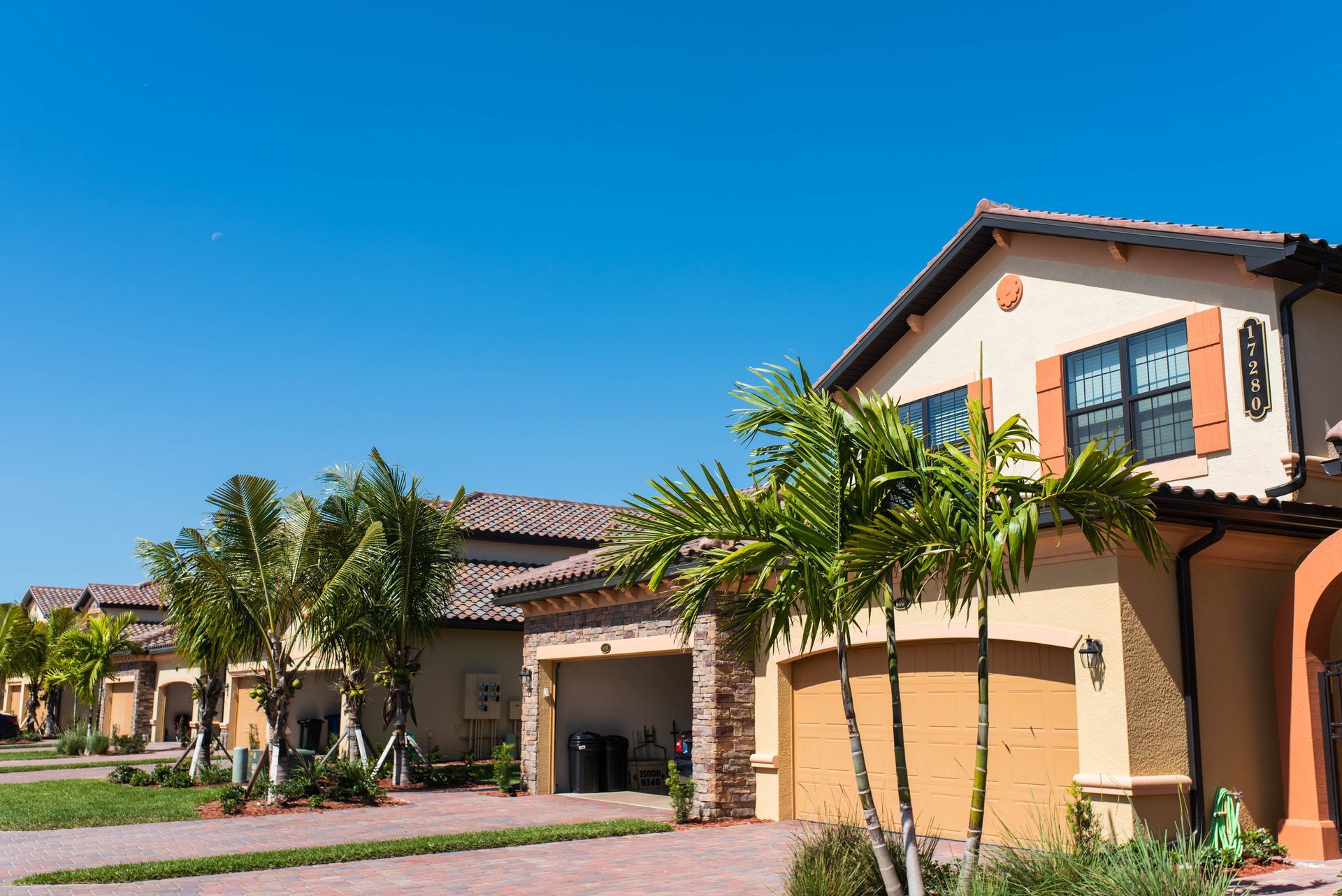
By Todd Akers, Land & Development Advisor, Charlotte, NC Date Published: May 2025 Let me paint you a picture. It’s a Tuesday morning in a suburb outside Charlotte. Chick-fil-A drive-thru’s got 16 cars in line. The local elementary school drop-off looks like a NASCAR pit lane. And in the middle of it all, just past the gas station and across from a yet-to-open Starbucks, is a brand-new community of neat, single-story homes—with pristine lawns, smart locks, zero HOA drama, and not a "for sale" sign in sight. Welcome to Build-to-Rent (BTR). Or as I like to call it: the single-family solution no one saw coming—and now everyone wants in on. Wait, What is Build-to-Rent—Really? It’s exactly what it sounds like: purpose-built neighborhoods of detached single-family homes, townhomes, or horizontal apartments that are owned and operated like multifamily communities—but feel like homeownership to the resident. Instead of buying a home, tenants lease a brand-new one—lawn care, maintenance, and amenity perks included. These aren’t temporary solutions. They’re lifestyle alternatives. And in the last five years, they’ve quietly exploded across suburban and exurban metros. Why Now? Let’s Talk Market Physics To understand the BTR surge, you need to understand the collision of three powerful forces: 1. The Affordability Wall Mortgage rates jumped from under 3% in 2021 to over 7% by late 2024. Pair that with a median home price that crested $400,000 nationally (and far higher in the Southeast), and you’ve priced out a big chunk of the middle class. 2. The Lifestyle Renter Boom There’s a generation—two, actually—of Americans who want flexibility, new construction, good school districts, and dog parks. What they don’t want is a 30-year mortgage, surprise roof repairs, or fighting with the HOA about mailbox colors. 3. The Institutional Appetite This might be the quietest part of the revolution. Institutional investors—REITs, pensions, and private equity funds—are pouring capital into BTR because it gives them stable yield, newer product, and longer tenancy than traditional multifamily. According to Yardi Matrix, over 170,000 BTR units are either completed or in planning stages nationwide. That number was less than 20,000 five years ago. The New Suburban Archetype What makes a BTR site pencil? It’s not rocket science—but it is strategic: 10–20 acres, preferably flat, with utility access Zoning flexibility or a municipality open to creative entitlements Access to good schools, highways, and daily-needs retail Commutable to employment centers, but priced below metro core From there, developers build clusters of 100–250 homes. Most feature garages, private backyards, and community amenities like pools, gyms, and leasing offices. The best part? Residents get the feel of a subdivision without needing to own it. But Is It Sustainable? Here’s the real kicker: vacancy in BTR is incredibly low. In some Southeast markets, stabilized occupancy sits above 97%. Renters stay longer, treat units better, and see the community more like a neighborhood than a complex. Operators love it. Lenders are learning to underwrite it. And cities are beginning to embrace it as a way to solve the “missing middle” in housing. Of course, there are questions: Will supply outstrip demand in oversaturated submarkets? What happens if interest rates drop and these tenants return to buying? Can municipalities adapt zoning fast enough to meet investor timelines? But for now, BTR’s trajectory is up—and it’s drawing attention from all corners of CRE. What This Means for Brokers and Developers If you’re sitting on land that doesn’t work for traditional retail or single-family for-sale product, BTR could be your ace. Landowners should start asking: Could this site support 150 detached units with shared amenities? Is the city open to a PRD or rezoning for rental housing? Would a JV partner or operator want to co-develop it? And brokers? It’s time to learn this language. Know the lease-up timelines. Understand yield-on-cost benchmarks. Talk to the operators. BTR isn’t just a one-off strategy anymore. It’s a line on the underwriting spreadsheet of every serious land fund in the country. In Conclusion: It’s Time to Take BTR Seriously There’s something refreshing about driving through a new BTR community. Kids are on scooters. Mailboxes aren’t broken. The lawns are cut. And the place feels… functional. It may not be glamorous. It may not be urban. But it’s working. And it’s redefining how America lives. The suburbs just got a new blueprint. And it’s built to rent.
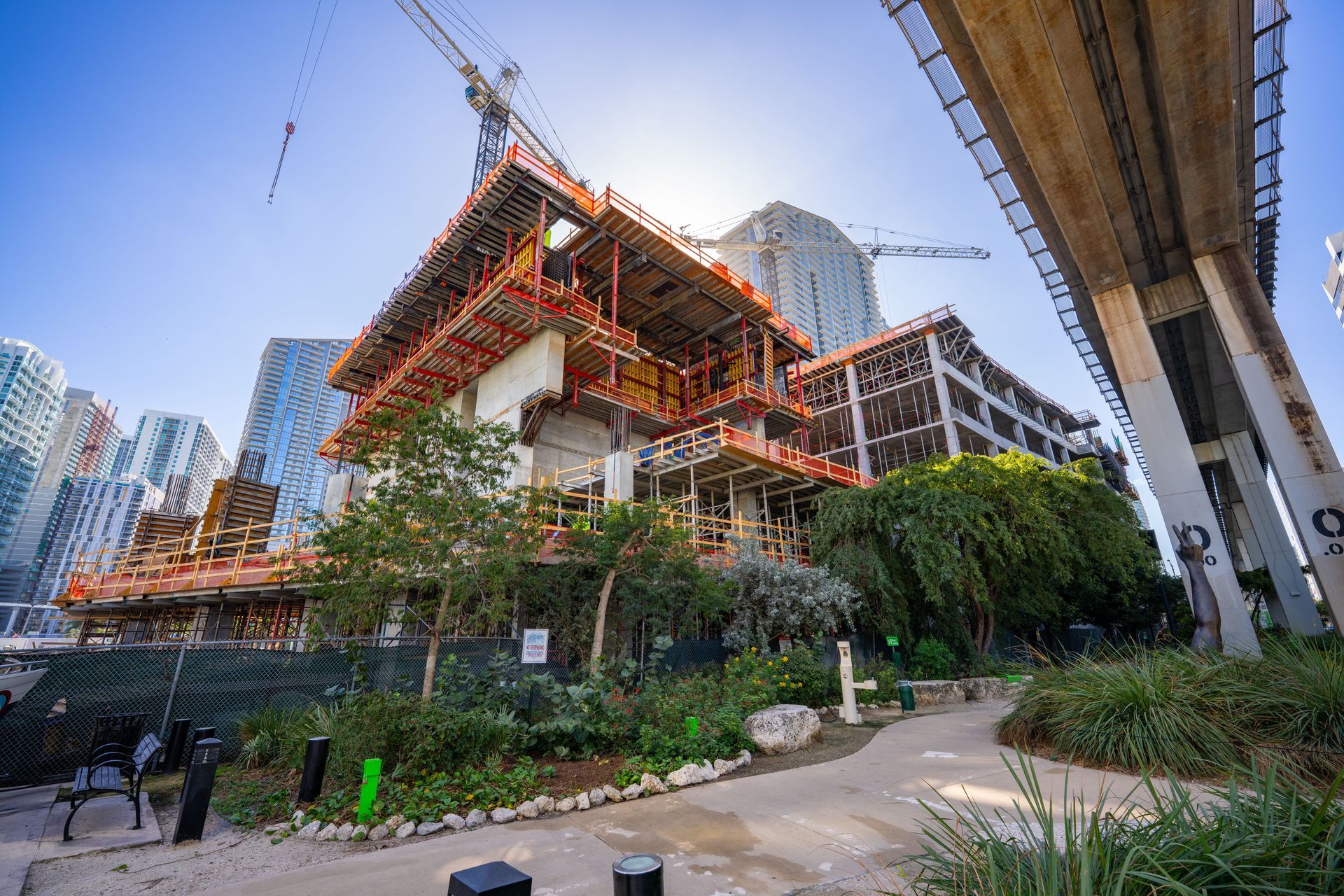
By Evan Li, Development Finance Specialist, Phoenix Date Published: May 2025 As we move deeper into 2025, developers find themselves playing a different game—one where offense has been replaced by optimization, and speed has taken a back seat to survivability. The rules of ground-up development have changed, not through regulation or innovation, but through the brute force of capital pressure, yield compression, and construction cost volatility. This is not a pause. It’s a pivot. And understanding the new calculus of ground-up development means embracing the uncomfortable math of today’s market. Capital Cost Shock: When IRR No Longer IRRs Let’s start with the unavoidable: the cost of capital. Construction loans today are pricing in the 8.0–10.5% range for most non-institutional borrowers. Even with sponsor recourse, regional lenders are underwriting with conservative LTC caps (65% or lower), and debt coverage ratios of 1.30x or more. For any developer with projects penciled under 7.25% debt in their original underwriting, this is a critical reset. According to Trepp and Berkadia Development Finance Survey Q4 2024: The average construction spread is 400–450 bps over SOFR. Senior debt is pricing at 8.75–9.50% for multifamily and mixed-use. Mezzanine capital is demanding 13–15% returns. In practice, this has pushed post-stabilization IRRs below 12% in many gateway and Sunbelt markets. Institutional capital, once tolerant of slim yields in high-growth MSAs, is now prioritizing risk-adjusted spread—and ground-up isn’t making the cut. Construction Inputs: Prices Stabilizing, But Not Falling Developers hoping for a reprieve on construction pricing will be disappointed. While lumber and steel have stabilized from their 2022 peaks, labor remains an inflationary pressure, and insurance costs have become a new wildcard. National AGC and BLS data from Q1 2025 reports: Construction labor wages have increased 5.1% YoY. Builder’s risk insurance premiums are up 22% nationally, and 35–50% in coastal or hurricane-exposed zones. Electric gear, HVAC systems, and prefab trusses remain 10–20% above 2019 baselines. This makes VE (value engineering) a game of diminishing returns. Trimming amenities or shaving façade costs can’t recover a broken capital stack. The result? Fewer starts. Delayed permit pulls. And a bifurcation between well-capitalized institutional sponsors and everyone else. Municipal Lag: Entitlements Are Not Your Friend Even in pro-growth markets like Arizona, Texas, and the Carolinas, municipal processing times are increasing. Staffing shortages, NIMBY resistance, and post-COVID backlogs have stretched timelines. In Phoenix: Site plan review averages 7.5 months. Rezoning approval adds 3–6 months. Permitting backlogs are pushing ground breaks out by 90+ days. If your model assumes a 24-month window from LOI to lease-up, revise it. Today’s cycle from land control to CO is more realistically 30–36 months, depending on complexity and market. Demand Recalibration: What’s Actually Leasing Tenants—especially credit tenants—are exercising their leverage. Office preleasing is now a unicorn event. Retail tenants are shifting toward smaller formats and shorter lease terms. Industrial absorption remains strong, but only in distribution-heavy metros. Meanwhile, multifamily lease-up assumptions have slowed. In Q4 2024, RealPage reported a 12% YoY decline in lease velocity in major Sunbelt cities. This matters. Because when underwriting depends on 24-month lease-up at $2.25/SF rents, and the reality is 30 months at $2.00/SF, your equity hurdle falls apart. The Capital Stack Has Reversed The new stack for many developers looks like this: Senior debt: 55–65% LTC @ 8.5–9.5% Mezzanine: 10–15% @ 13–15% cost GP equity: 5–10% of total cost, often tied to sponsor guarantees LP equity: Targeting 16–18% IRRs In this structure, the cost of capital often exceeds the return potential—unless land is deeply discounted or the project has unusual speed-to-revenue characteristics (e.g., built-to-suit, preleased credit tenancy). This has led to a wave of JV breakdowns and preferred equity resets. Many LPs are walking. Others are renegotiating for higher promotes or tighter covenants. What Developers Are Doing Now The smartest developers in 2025 are: Pausing projects that no longer pencil under current inputs Selling entitled land to merchant builders or REITs Focusing on horizontal infrastructure to stage sites for future delivery Renegotiating GP/LP structures for greater upside alignment Switching to adaptive reuse or redevelopment strategies There is also a pivot to asset classes with shorter lease-up windows: medical office, self-storage, smaller footprint retail pads, and service-based industrial. Conclusion: Play Defense Now to Play Offense Later Ground-up development is not dead. But the bar is higher. The margin for error is smaller. And the penalties for miscalculating are steeper than they’ve been in a decade. To succeed in this cycle, developers must: Underwrite defensively Move deliberately Choose markets with velocity Work with capital that understands the risk There will be a window for offense again. But in 2025, it pays to play defense with discipline. And in ground-up, discipline is the only line item that always pays for itself.
By Michelle Glass, Multifamily Investment Broker, Denver Date Published: May 2025 The migration boom narrative was simple: people fled dense, expensive coastal cities for space, affordability, and sunshine. Texas, Florida, Arizona, and the Carolinas became investor darlings. Rent growth surged. Developers raced to entitle land. Multifamily valuations shot up. Everyone—operators, syndicators, capital sources—bought into the same thesis: people are moving, and they’ll keep moving. But in 2025, that narrative needs a second look. The question isn’t whether migration occurred. It did. The question is whether we’re still underwriting like it’s 2021—and ignoring the gravitational pull of economic friction, tenant burnout, and overbuilt pockets. Migration: Yes, But Not Everywhere, Not Equally Let’s start with the data. According to the U.S. Census Bureau’s 2024 American Community Survey: Net domestic migration to Texas, Florida, and North Carolina remains positive, but has slowed from pandemic peaks. Colorado, Utah, and even parts of California have shown renewed net inflows. High-growth metros like Austin and Phoenix saw in-migration drop by 15–20% compared to 2021. What happened? Several things. Affordability eroded. Rents rose faster than wages in nearly every Sunbelt city. In Austin, average multifamily rent jumped 30% from 2020 to 2023. By late 2024, effective rents had started to decline as tenants hit cost ceilings. New supply surged. As of Q1 2025, over 650,000 multifamily units are under construction nationwide (RealPage). The vast majority are in the very cities that saw pandemic-era in-migration spikes. Lifestyle friction emerged. Many movers discovered their new city wasn’t cheaper—it was just newer. Traffic got worse. Schools got crowded. And the promise of permanent remote work started to fray. Migration didn’t stop. But it recalibrated. Rent Growth Reality Check In 2023, 14 of the top 20 U.S. metros posted negative year-over-year rent growth. In 2024, most stabilized—but growth was flat to low-single digits. What does this mean for multifamily investors? The assumption of perpetual 5–7% rent growth is broken. Expense inflation—insurance, taxes, labor—is outpacing revenue in many Class A and B assets. The risk is no longer just lease-up. It’s hold period cash flow. That’s a very different investment profile than what syndicators pitched three years ago. A Word on Resident Quality One under-discussed trend in Sunbelt multifamily? Resident quality is slipping. Eviction filings in core Sunbelt metros rose by 24% in 2024 (Eviction Lab). Tenant churn is increasing. Credit scores are flattening. And residents are price-sensitive to a degree not seen since the Great Recession. That doesn’t mean the demand isn’t there. But it means underwriting needs to reflect: Higher economic vacancy assumptions (7–10%) Longer downtime between tenants Greater emphasis on renewal retention Flight to Lifestyle: The Bifurcation Within the Boom Even within high-growth markets, demand is bifurcating. Tenants aren’t just chasing cheap. They’re chasing value. Properties near job centers, with community amenities, modern finishes, and responsive management still lease quickly. Cookie-cutter units in overbuilt corridors with no real place identity are sitting. This isn’t a geographic issue. It’s a product-market fit issue. What This Means for Brokers and Investors If you’re in multifamily right now, you have to ask harder questions: Are you investing in a market—or a submarket that has already peaked? Are you underwriting rent growth—or just hoping for it? Are you pricing on comp sets—or effective performance? Deals still pencil. But only when: Basis is right OpEx is real Management is proactive Value-add is actually needed, not just cosmetic Final Thought: We’re Still Growing—Just Differently Migration was never permanent jet fuel. It was a boost. But gravity returns. What will define this cycle isn’t raw population growth. It’s operational excellence, market nuance, and underwriting discipline. Multifamily is still strong. But the smartest players aren’t betting on momentum. They’re building for gravity.
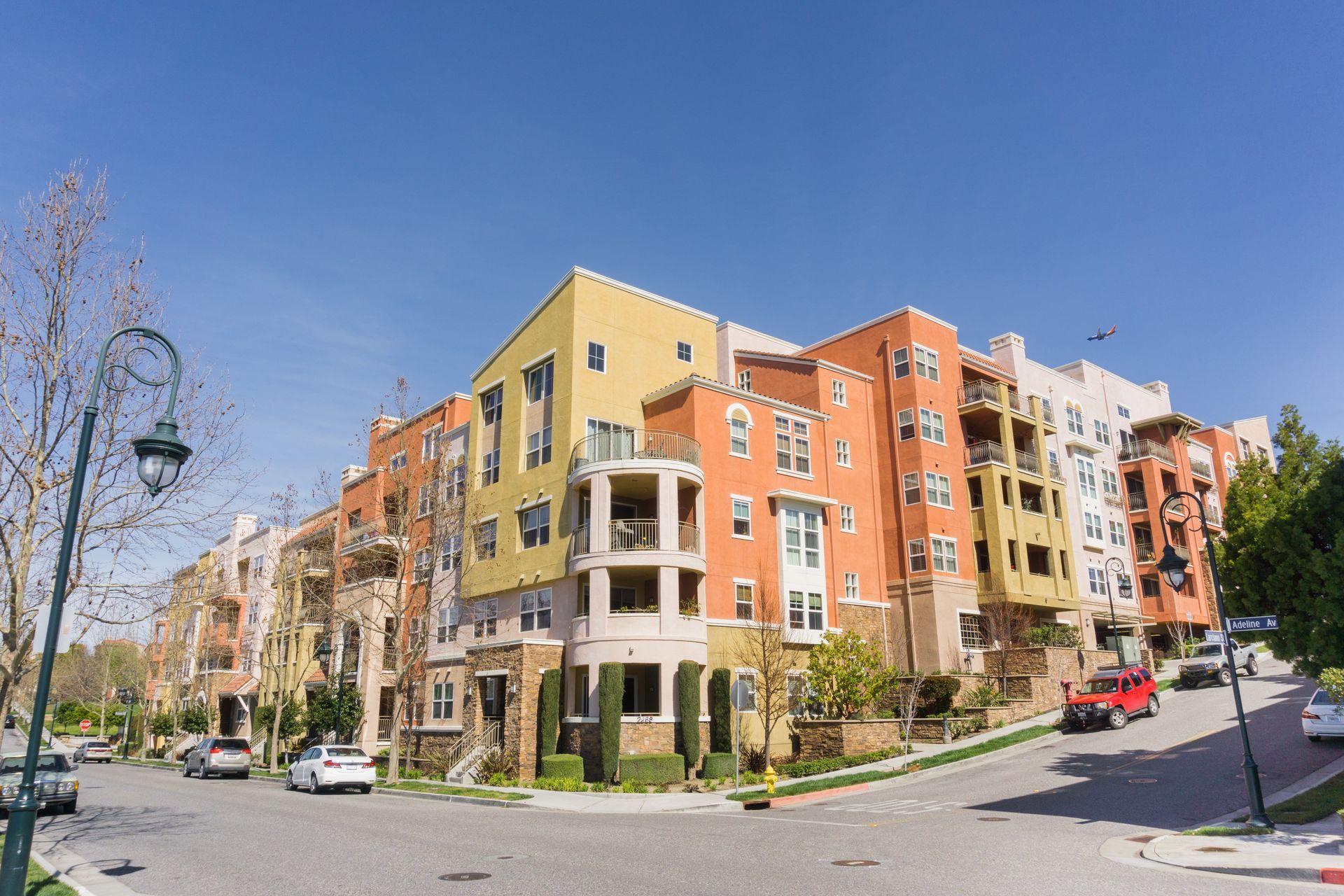
By Alicia Shepherd, KW Commercial Date Published: April 2025 It’s not that the deals aren’t there. It’s that everyone’s waiting. That’s been the persistent theme in California’s multifamily sector throughout 2024. And if you’re on the ground—walking units in Koreatown, reviewing financials in Oakland, trying to calm a seller who can’t believe their cap rate won’t start with a three—it’s a year that demanded both patience and precision. There was plenty of noise in Q1 and Q2: cautious optimism after a shaky 2023, a fresh wave of capital hunting value in mid-tier Class B buildings, and a spurt of developers rushing to deliver before their cost of capital pushed them out of feasibility. In Los Angeles alone, over 8,000 new units hit the market, a marked decrease from previous years but still notable in a city notorious for slow-moving inventory. Then came the fires. Thousands of units lost in early summer to a fast-moving burn in Altadena and parts of the Palisades left entire submarkets scrambling. Demand didn’t rise. It surged. Rents in neighboring neighborhoods—those untouched by flames—jumped overnight, and by July, we were fielding back-to-back calls from displaced residents and investors trying to make sense of short-term supply distortions. Most of us saw it for what it was: tragic, yes—but also a temporary pressure on a system already buckling under regulatory weight. And that regulation hasn’t softened. In fact, it hardened. California’s legislative environment remains among the most development-averse in the country. RAND’s 2024 report put the cost of building per rentable square foot in California at more than double that of Texas, and noted that it takes nearly two years longer to deliver product here. Two years is a lifetime in this cycle. By late Q3, rent trends had fractured. In the Bay Area, markets like Menlo Park saw eye-watering one-bedroom rents over $3,300—a 40% year-over-year increase, according to SFGate. In contrast, submarkets across LA plateaued. South LA and the Valley did post some modest growth (around 2.3%), but overall investor sentiment in SoCal had started to cool. And not just because of rents. In Los Angeles, the implementation of the ULA transfer tax (effectively a luxury real estate tax) loomed large. Sales velocity dropped. The final quarter of 2024 saw only $1.9 billion in multifamily sales—a stark slowdown by historic comparison, and a clear signal: high interest rates alone didn’t explain buyer hesitation. Policy did. Then November arrived. And with it, a national election that all but froze transactional momentum across the board. Buyers paused to watch the macro picture shift. Would interest rates pivot in Q1? Would housing policy lean more pro-development? Could we expect even a whisper of rent control rollback? December was, for most of us, about tightening the pipeline, managing expectations, and making a call: lean in—or sit out. “We’re in a hold-and-strike market,” said Joey Wang, a KW Commercial division leader based in San Francisco. “Those who are informed, liquid, and nimble will have the advantage in Q1. The rest will miss it by six months.” He’s right. Already, the first signs of 2025 are in play. Rent growth remains highly localized. Some opportunity zones in the Inland Empire and Sacramento Valley are gaining traction with mid-sized syndicators who sat out much of 2024. Interest rate optimism is slowly creeping in, even if only as speculation. And whispers of institutional money reentering the market are growing louder—especially for Class B repositioning plays in historically overlooked neighborhoods. What I see coming in Q1 is not a wave. It’s a correction. Not in pricing, but in posture. Smart buyers will stop waiting. Savvy sellers will come to the table with less ego. And brokers like us? We’ll be tasked with telling the truth—about timelines, returns, rent rolls, and what it actually takes to trade property in California’s most politicized and fragmented sector. There’s no broad recovery coming. Not yet. But there’s movement. And movement is where momentum starts.

By Alicia Shepherd, KW Commercial Date Published: April 2025 There’s an old saying in real estate: “Time kills all deals.” In 2024, we saw the opposite emerge just as often— waiting saved some deals from ever happening at all. I’ve been in the capital markets world long enough to recognize when debt isn’t just expensive—it’s constrictive. And that’s exactly where we landed by Q4 of 2024. The commercial real estate debt markets didn’t just tighten. They calcified. And brokers, borrowers, and sponsors alike were forced to navigate a capital landscape more reminiscent of 2009 than anything we’ve seen in the past decade. The data backs it up. According to the Mortgage Bankers Association, total commercial/multifamily borrowing and lending declined by 25% year-over-year in 2024. CMBS issuance cratered by over 30% compared to 2023. Bank-originated debt, particularly from regional lenders, slowed to a crawl—fueled by continued fallout from Basel III endgame regulations and internal stress testing. Even life companies, typically the steadiest participants in core asset financing, pulled back sharply in Q3 and Q4, citing portfolio rebalancing and rising credit concerns. The Fed’s decision to hold rates steady at 5.25% late into the year did little to free up liquidity, and the yield curve inversion (with the 2-year holding above the 10-year for nearly 18 months straight) distorted long-term underwriting assumptions across asset classes. But the macro story is only half of it. On the ground, we’ve been watching a second, quieter crisis unfold—what I call refinancing disillusionment . Properties acquired or financed in 2020 or 2021, under historically low interest rates and often with aggressive IO structures, began maturing in earnest this year. And the math no longer worked. I’ve sat at tables with institutional sponsors facing negative leverage on stabilized assets. We’ve had to explain to bridge borrowers that their “extension options” weren’t options at all—they were pipe dreams. In LA, we’re seeing 65% of refinanced multifamily deals trade down in loan proceeds. Office? It’s closer to 80%. What’s worse is that there’s no single villain. Lenders aren’t overreaching. They’re protecting solvency. Borrowers aren’t reckless. They’re boxed in. The new cost of capital has transformed how assets perform—even when their operations haven’t faltered. We used to talk about interest rates as a headwind. Now they’re a wall. So where does that leave us going into Q1 of 2025? Some opportunities are beginning to surface—not because capital has freed up, but because sponsors are finally capitulating. We’re seeing loan sales begin to rise. Special servicers are circling. And private debt funds are taking meetings again—but on their terms, not yours. If you need 65% LTC, you're likely to get 50%. If you want a 10-year fixed quote, you’d better be bringing pristine tenancy and an exit story. It’s not all bleak. In fact, if you’re well-capitalized and understand the moment, it’s a prime time to buy with discipline. We're entering a cycle where real returns will come not from cap rate compression or rent growth—but from solving for capital structure in creative, risk-adjusted ways. But that takes skill. And that’s the difference in 2025. Brokers and capital advisors can no longer simply “run the deal through the lenders.” They need to structure, challenge, re-underwrite, and—above all—educate. Clients who don’t understand the cost of waiting in this market are likely to miss their window altogether. For our team at LAUNCH Capital, the conversations this year aren’t about velocity. They’re about viability. We’re not closing more. We’re closing smarter. Because in this market, capital isn’t just money. It’s strategy.

By Andrew Shows, LAUNCH Capital Markets Date Published: April 2025 In commercial real estate, we love euphemisms. “Special servicing.” “Credit event.” “Repricing.” But if you listen closely to what lenders are saying in 2025—and more importantly, what they’re not saying—you’ll hear a familiar, unmistakable drumbeat building behind the scenes: They’re preparing for REO. Again. The return of real estate owned (REO) properties isn’t a matter of panic—it’s a matter of math. Debt originated in 2020–2022 is maturing into a capital market that no longer looks anything like the one it was born in. Values have shifted. Cap rates have expanded. Borrowers are facing negative leverage, equity gaps, and declining DSCRs. And lenders—particularly those exposed to office, transitional assets, and overleveraged multifamily—are quietly repositioning for what comes next. Welcome to REO 2.0. This time, it won’t look like 2009. But it will rhyme. The Market Conditions Are Set Let’s begin with the numbers. According to Trepp: Over $270 billion in commercial mortgage-backed securities (CMBS) loans are scheduled to mature by the end of 2025. Delinquency rates for office loans in CMBS reached 7.6% in Q1 2025—the highest level since 2013. Special servicing rates across CRE sectors now exceed 6.5% , led by office, hospitality, and certain pockets of multifamily. But CMBS is just one piece of the puzzle. Privately originated debt—through banks, life companies, credit unions, debt funds, and CLOs—represents over 70% of the CRE debt universe. And much of that, too, is quietly approaching maturity. According to the Mortgage Bankers Association, more than $1.6 trillion in CRE debt matures by 2026, with nearly half due in 2025 alone. Yet debt capital remains conservative, LTVs are down, and few borrowers have access to the equity needed to plug the gap. The result? Extensions, rescue capital… and increasingly, defaults. Not Every Lender Wants the Keys—But They’re Getting Ready Anyway Here’s the truth most owners don’t want to admit: lenders don’t want to own your building. But they will if they have to. The last twelve months have seen a subtle—but important—shift in behavior: Special servicers are hiring staff with 2010–2012 loss mitigation experience. Bank REO departments that were dormant for years are now revisiting protocols and reactivating vendor networks. National law firms are refreshing foreclosure guidance and deed-in-lieu templates. And behind closed doors, many lenders are running internal models not just for valuation—but for take-back scenarios . What happens if the borrower can’t refi? What if the equity evaporates? What’s the strategy post-possession? These aren’t public plans. They’re contingency plans. And they’re happening everywhere. What Will REO 2.0 Look Like? This won’t be 2009 all over again. There’s more equity in the system. The underwriting was (mostly) stronger. There’s less systemic leverage and fewer multi-layered CDO-style timebombs. But REO 2.0 will be slower, more surgical, and more asset-specific . Here’s what we expect: 1. Selective Takebacks, Not Fire Sales Lenders will be discerning. They’ll prioritize taking control of assets with: Functional locations Conversion potential Strong residual value Simple capital stacks (fewer litigation risks) Class B suburban offices with 50% vacancy? Possibly. Pre-stabilized multifamily with stalled construction and no clear exit? More likely. But stabilized grocery-anchored retail or logistics assets with short-term debt issues? Expect modifications—not foreclosures. 2. Note Sales First, Foreclosures Second Before going through a lengthy foreclosure process, lenders will explore: Note sales to opportunistic buyers Discounted payoffs (DPOs) with partial equity preservation Deed-in-lieu negotiations with cooperative sponsors This keeps assets off REO books and reduces litigation exposure. Expect brokers with debt-sale fluency to see more activity in this lane. 3. Third-Party Management and Disposition Firms Will Surge Just like in the last cycle, firms that specialize in interim asset management, property stabilization, and REO prep will be in demand. We’re already seeing lenders quietly re-sign master service agreements with these providers. What Brokers, Owners & Investors Need to Know—Now Whether you’re a borrower trying to hold on, an investor looking for opportunity, or a broker trying to stay ahead of your client’s pain points, here’s what matters: 1. Start the Conversation Early If your loan is maturing in the next 18 months, talk to your lender now. Delays reduce options. Lenders are more open to extensions and restructures when they believe you’re proactive—not reactive. 2. Understand the Lender’s Math Your building may have “penciled” in 2021. But your lender is looking at DSCR, current NOI, replacement cost, and marketability—not just appraised value. Can the current income support the new loan basis at today’s rate? If not, what’s the plan? 3. Build the REO Advisory Skillset If you’re a broker, start brushing up: Understand receivership mechanics in your state. Get familiar with note sale protocols . Know how to stabilize an asset on a lender’s timeline . Learn the language of loss mitigation and discounted payoff negotiation . This is no longer optional if you want to represent institutional clients through this phase of the cycle. What’s Coming in Q3 and Q4 of 2025? Expect the following markers: More publicly marketed non-performing note sales Higher CRE asset inventory from bank and bridge lender portfolios Increased legal filings tied to deed-in-lieu, foreclosure, and UCC Article 9 processes Accelerated marketing of partially completed developments At LAUNCH Capital, we’re advising family offices, distressed funds, and JV equity providers to position now —build your relationships, clean up your balance sheets, and be ready to move with clarity. Because by the time the headlines catch up, the best deals will already be spoken for. The Final Word REO is not a sign of failure. It’s a phase in the capital cycle. One that demands realism, strategic thinking, and courage from all parties involved. We call this REO 2.0 not because it’s new—but because the market is different, the tools are sharper, and the margin for error is narrower. If you’re waiting for distress to announce itself in a press release, you’re too late. But if you’re watching the quiet signals—staffing changes, portfolio reclassifications, off-market lender inquiries—then you know: It’s already here. Now the question is—are you ready?

By Cynthia Lee, President, KW Commercial Date Published: April 2025 In 2025, the commercial real estate (CRE) industry stands at a crossroads. While strides have been made toward embracing diversity, equity, and inclusion (DEI), significant gaps remain, particularly in leadership roles. The question persists: Who's missing from the table? The Current Landscape Recent data underscores the industry's challenges. According to the Global Real Estate DEI Survey Volume III, women constitute 41.4% of full-time employees in U.S. commercial real estate, yet only 26% hold executive management positions. People of color represent approximately 30% of the workforce but occupy just 15% of board roles . These figures highlight a disconnect between the industry's workforce diversity and its leadership representation. Despite widespread acknowledgment of DEI's importance, progress at the top remains sluggish. The Business Imperative Beyond moral and ethical considerations, DEI is a business imperative. Diverse teams bring varied perspectives, fostering innovation and better decision-making. McKinsey & Company's research consistently shows that companies with diverse leadership outperform their peers in profitability. Moreover, as the U.S. becomes increasingly diverse, understanding and serving a multifaceted client base is crucial. Firms that mirror the communities they serve are better positioned to meet client needs and drive growth. Barriers to Progress Several factors contribute to the persistent lack of diversity in CRE leadership: Pipeline Challenges : Limited access to mentorship and sponsorship opportunities hampers the advancement of underrepresented groups. Unconscious Bias : Biases in hiring and promotion processes can inadvertently sideline qualified candidates. Cultural Fit Concerns : A narrow definition of "fit" can exclude individuals who bring different experiences and perspectives. Lack of Transparency : Without clear metrics and accountability, DEI initiatives may falter. Steps Forward To address these challenges, CRE firms must take deliberate actions: Set Clear DEI Goals : Establish measurable objectives for diversity in hiring, promotions, and leadership representation. Implement Bias Training : Educate employees at all levels to recognize and mitigate unconscious biases. Foster Inclusive Cultures : Create environments where all employees feel valued and empowered to contribute. Enhance Transparency : Regularly report on DEI metrics and progress to stakeholders. Invest in Development : Provide mentorship, sponsorship, and leadership development programs for underrepresented groups. The Role of Leadership Leadership commitment is paramount. Executives must champion DEI initiatives, model inclusive behaviors, and hold themselves accountable for progress. As leaders, we have the responsibility to ensure that our organizations reflect the diversity of the communities we serve. Conclusion The CRE industry has made commendable strides toward embracing DEI, but the journey is far from over. By acknowledging existing gaps and committing to actionable change, we can build a more inclusive and equitable industry. It's time to ensure that everyone has a seat at the table. Note: This article draws upon data from the Global Real Estate DEI Survey Volume III and McKinsey & Company's research on diversity and business performance.